
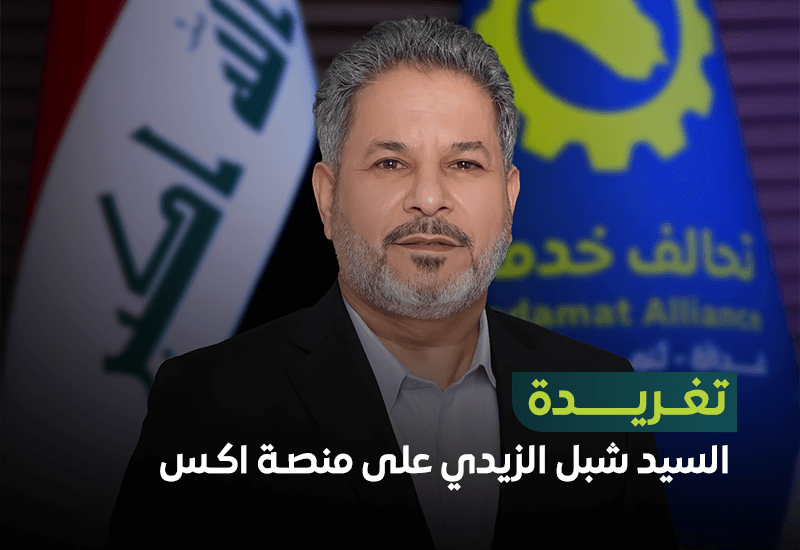
تغلي منطقة الشرق الأوسط برمتها وتعج بالفوضى والاقتتال الداخلي في اليمن والسودان وليبيا وسوريا.
هذه الصراعات والفتن توجهها مؤسسات استخبارية بهدف إضعاف وإنهاك وتدمير البنى التحتية في بلداننا كي يسهل إدارتها استعمارياً نتيجة الضعف الناتج عن التفرقة.
الاستعمار الجديد لا يحتاج إلى أسلحة بل يحتاج إلى أغبياء يتقاتلون فيما بينهم وعملاء يمولون ويسلحون ويوجهون الصراعات.
كما يستخدم الاقتصاد سلاحاً لتجويع الشعوب ومحاصرتها وتدمير العملة في تلك البلدان وتركيعها وخلق جيل مستسلم للإرادة الخارجية.
نحن في العراق تعرضنا لحصار ظالم لسنوات، وتعرضنا لفتن دامية، وما زالت تحاك المؤامرات التي تسعى لعدم الاستقرار، ومنعنا من تشكيل دولة موحدة مستقرة، ذات سيادة كاملة على أرضها وسمائها، تنهض باقتصادها وتعتمد على منتجاتها، ويعيش أبناؤها تحت مظلة الوطن والقانون، وتمتلك علاقات متوازنة مع الدول على قاعدة المصالح المشتركة.
لدى العراق فرصة لأن يجتاز الأزمة ويسقط المؤامرة، وذلك بتغليب المصلحة الوطنية وإسكات الأصوات النشاز، وكلما أوقدوا ناراً للفتنة علينا أن نطفئها ولا نستدرج إلى الفخ، ومع شديد الأسف نرى ونسمع أصوات الفتنة حاضرة وجاهزة ومتبرعة مجاناً لأي صراع داخلي.
العراق ليس بمنأى، وإن انتصر في معركة داعش، لكن الحرب لم تنتهِ، ومن الواضح أن هناك كمائن ومصائد قد أُعدت.
من واجب العقلاء الحذر، فإن الصراعات تخدم القوى الاستكبارية التي تسعى لتفتيت وتدمير المنطقة،
لذا علينا نشر الوعي والخطاب الوحدوي، ومعالجة الأزمات التي سنواجهها بحكمة وبصيرة لبناء دولة.
The Middle East has been repeatedly pushed into cycles of internal conflict, fragmentation, and institutional erosion—from Yemen and Sudan to Libya, Syria, and beyond. These crises have not emerged organically; they are often shaped and facilitated by external intelligence and geopolitical actors seeking to weaken states, exhaust their economies, and dismantle their administrative and infrastructural foundations. In the modern era, external domination no longer requires direct military occupation. Instead, it relies on fueling divisions, arming local factions, manipulating currencies, and creating long-term social and political dependencies that make societies more receptive to foreign influence.
Iraq experienced this dynamic acutely through long years of sanctions, financial suffocation, terrorism, and political destabilization. The country faced continuous attempts to prevent the consolidation of a unified national state capable of exercising full sovereignty over its territory, economy, and security decisions. Despite defeating ISIS militarily, the broader conflict did not end, as the same actors that ignited terrorism continue to attempt to spark internal political and social clashes.
Today, however, Iraq has a real opportunity to overcome its crisis. Seizing this opportunity requires prioritizing national interests over factional agendas, reducing inflammatory rhetoric, and preventing the emergence of new internal fronts of conflict. It also requires strategic patience, public awareness, and the consolidation of state institutions capable of governing effectively and of conducting balanced foreign relations based on mutual interests and international law.
The forces that benefit from regional fragmentation and state failure have not disappeared. They actively exploit crises to reshape the region in ways that serve the interests of dominant global powers and weaken local sovereignty. For this reason, Iraq must approach the coming phase with wisdom, restraint, and a unifying national discourse—so that it may build a stable, sovereign state, protect its economic and social resilience, and prevent external actors from determining its internal trajectory.